
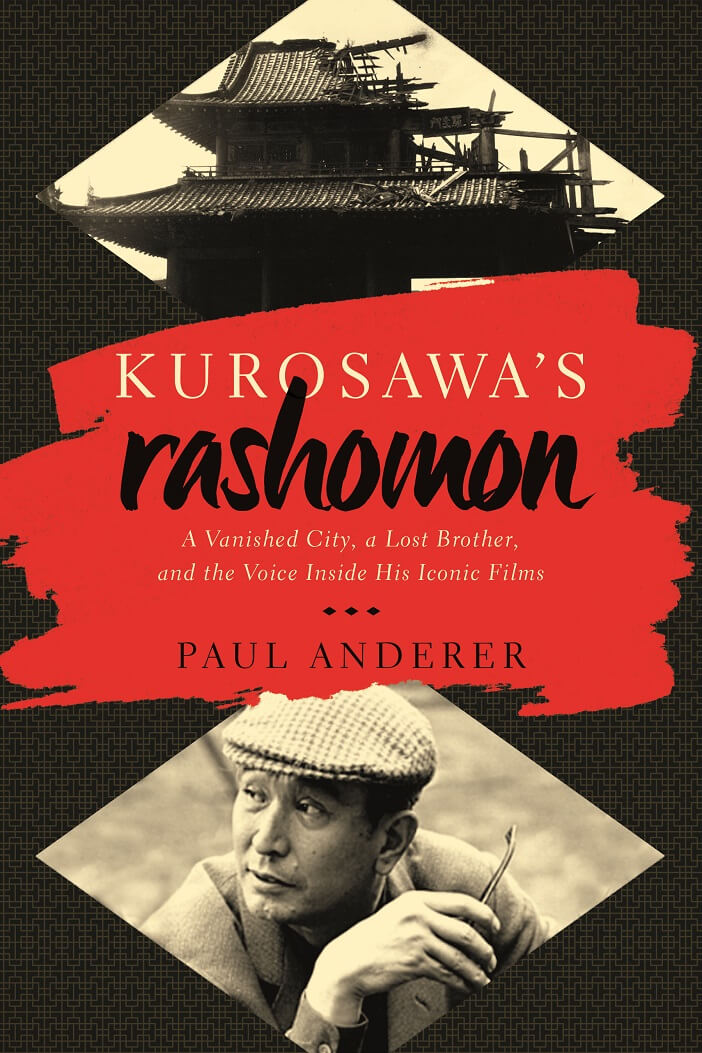
Kurosawa’s Rashomon: A Vanished City, a Lost Brother, and the Voice Inside His Most Iconic Films by Paul Anderer [in Library Journal]
22 Sep, by in Adult Readers, Japanese, Nonethnic-specific, Nonfiction, Repost
When Rashomon won the Venice Film Festival's Golden Lion in September 1950, the world embraced its director, Akira Kurosawa (1910–98), who quickly gained unrivaled prominence – Martin Scorsese, Francis Ford Coppola, George Lucas, and Steven Spielberg are a few of his self-declared disciples. Convinced “that Westerners...



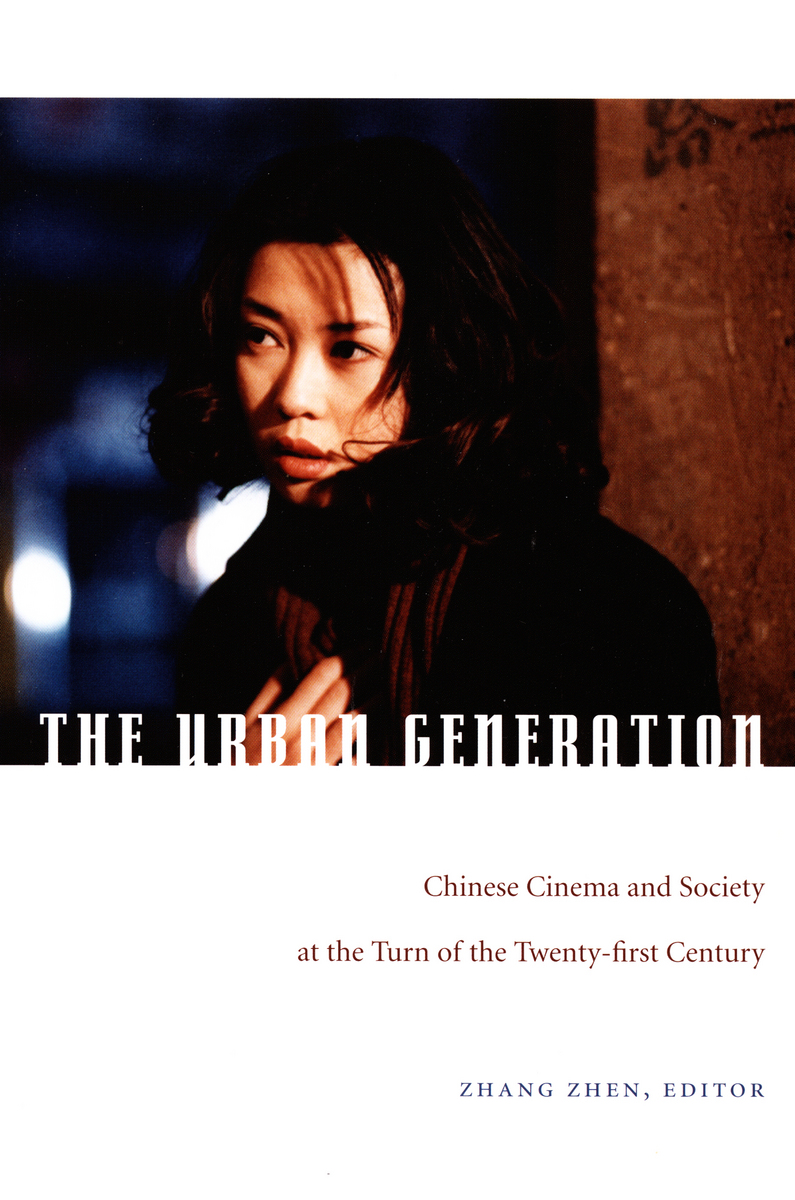
 A collection of 13 illuminating essays about the so-called “Urban Generation” of young filmmakers who came of age in post-Tiananmen Square China, creating an alternative, independent cinema eschewing the demands of the still-powerful state-owned studios. Zhang...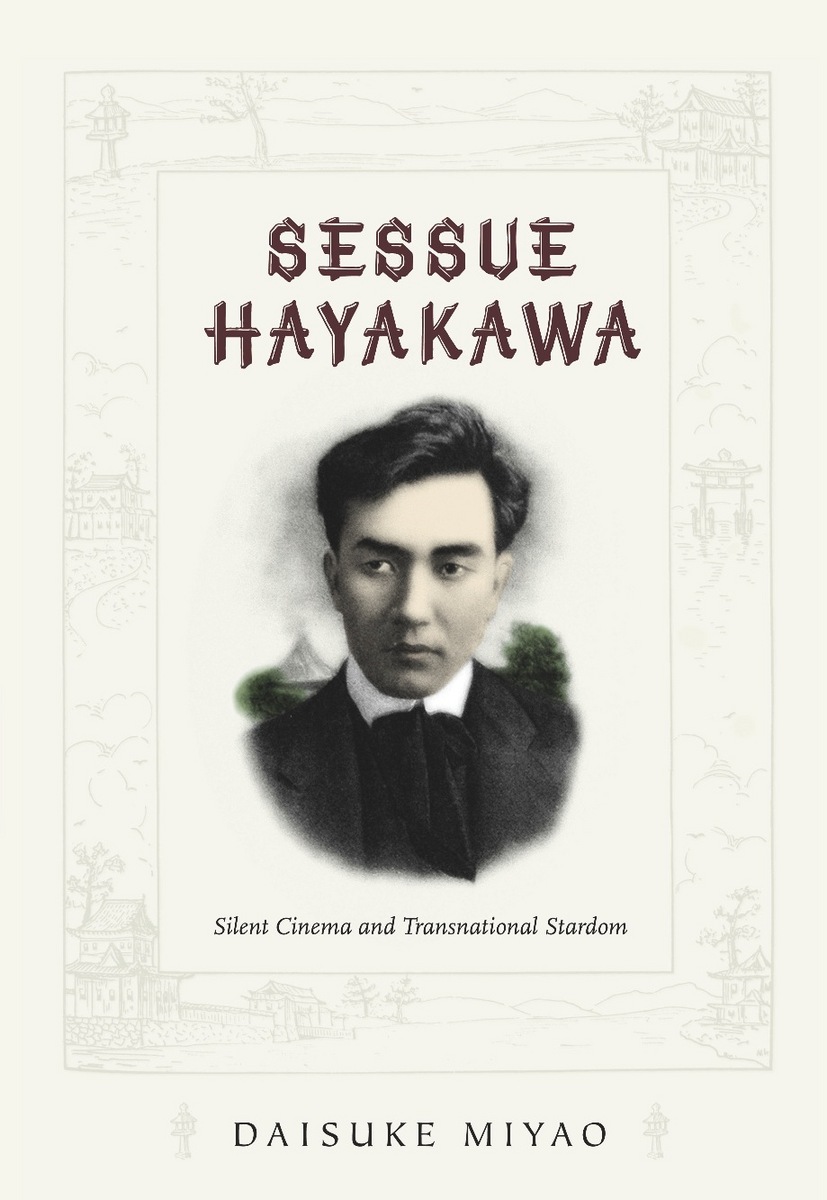
 The long-awaited biography – even if it’s a tad bit on the academic side – on Hayakawa, a trailblazing Asian American film pioneer, who in his silent heyday was one of the most recognizable, lauded actors,...
 Two notable Asian film scholars offer an admirable overview of more than a century’s worth of Chinese film history – including the diaspora represented by films from Taiwan, Hong Kong and even the United States –...
 Leading film scholar Marchetti confronts media depictions of China as captured on film at the end of the 20th century, caught somewhere between a revolutionary, political square on one side of the world to a...
 BFI’s fabulous “World Director” series focuses on lauded Hong Kong filmmaker Wong Kar-Wai, auteur of international successes Chungking Express, In the Mood For Love and, most recently, 2046.
Review:
BFI’s fabulous “World Director” series focuses on lauded Hong Kong filmmaker Wong Kar-Wai, auteur of international successes Chungking Express, In the Mood For Love and, most recently, 2046.
Review: 
 The turbulent mother-daughter relationship between world-renowned filmmaker Deepa Mehta and her photographer/journalist daughter is interwoven into a fascinating account of how Mehta’s latest film, Water, came to be. As the final installment of Mehta’s...
 With the relaxing of government controls in the 1980s, Taiwanese filmmakers quickly established themselves internationally. Four directors, Edward Yang, Hou Hsiao-hsien, Ang Lee (whom we claim as one of our APA own),...
 Through close readings of “nativist” Taiwanese literature of the 1960s and 1970s and of the Taiwanese New Cinema of the 1980s and 1990s, Yip offers a distinct national Taiwanese identity independent of historical Chinese...
 A worthy compendium to enhance the understanding and enjoyment of contemporary Japanese cinema, with authoritative profiles of 19 filmmakers, filmographies, and selected reviews. The final chapter includes a “New and Notable”-like section...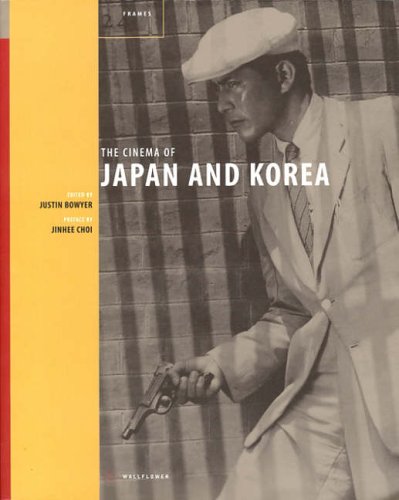
 With Hollywood’s latest creative raids into the East (Ringu/The Ring, Ju-on/The Grudge, My Sassy Girl being remade with Rachel Leigh Cook and directed by Bend It Like Beckham’s...
 Kim argues that the New Korean Cinema of the last two decades, which catapulted Korean films into the international spotlight, is finished as a movement. While the art-house flicks of...